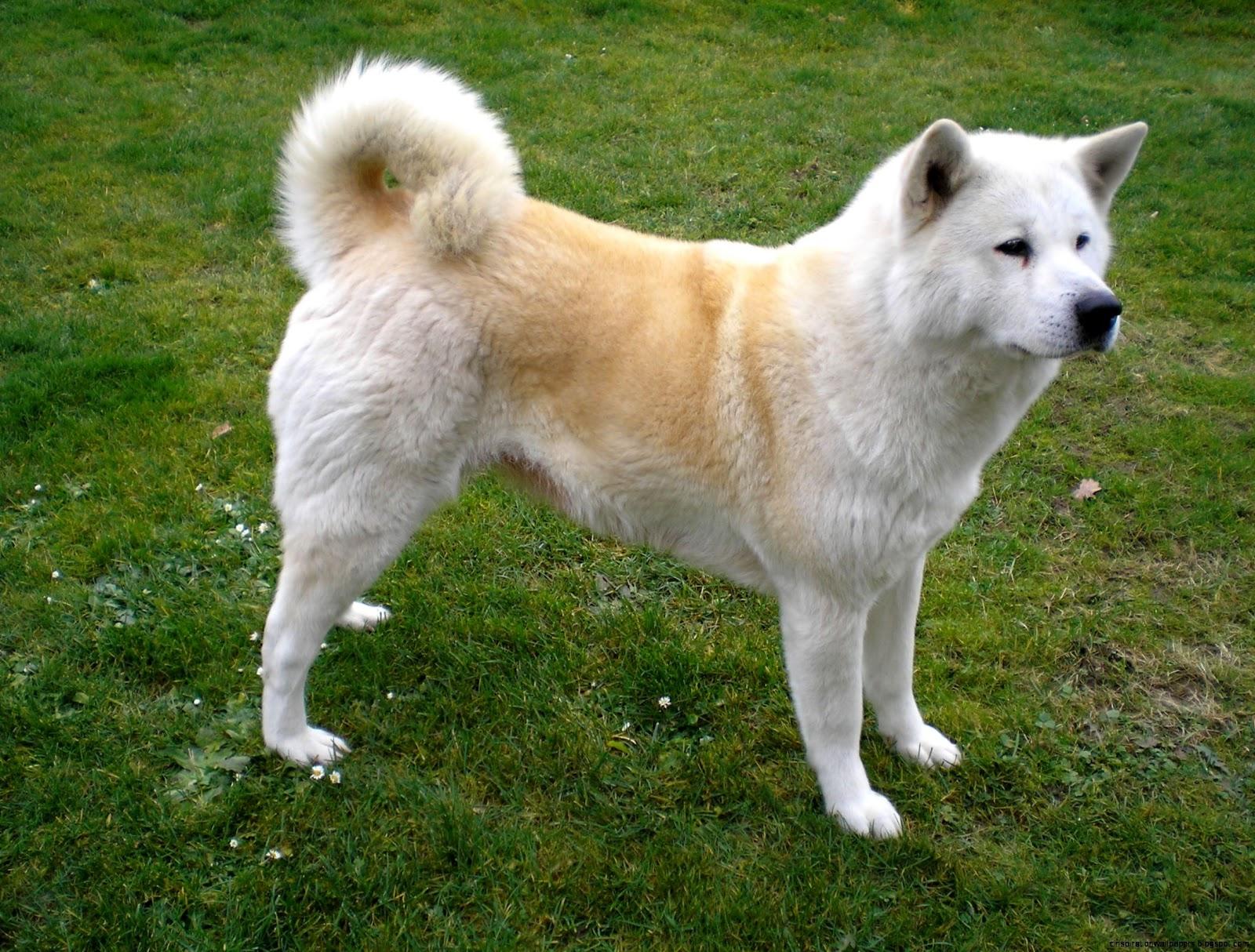
You see them on Instagram—fluffy, fox-like faces, curled tails, and that dignified "Hachiko" stare. They look like giant teddy bears. But honestly, if you walk into a Japanese Akita Inu ownership expecting a Golden Retriever in a thicker coat, you’re in for a massive reality check. The Japanese Akita Inu temperament is a complex, often misunderstood puzzle that sits somewhere between a loyal samurai and a moody feline.
They aren't "easy" dogs. They’re sensitive.
I’ve spent years talking to breeders and enthusiasts from the Akita Inu Hozonkai (AKIHO), and the consensus is always the same: this is a primitive breed. That means their instincts are closer to the surface than your average lab. When we talk about how these dogs behave, we aren't just talking about "personality." We’re talking about centuries of history as big-game hunters in the snowy mountains of Odate.
The Reality of the "One-Person" Dog
People love to throw around the phrase "loyal to a fault." For the Akita, this isn't just marketing. It’s their DNA.
The Japanese Akita Inu temperament is defined by a deep-seated devotion to their immediate family, often narrowing down to one specific "alpha" or favorite human. It’s a quiet loyalty. They don't follow you around the house begging for belly rubs every five seconds. Instead, they might just sit in the same room as you, watching.
They’re observant.
While a Lab might greet a burglar with a wagging tail and a tennis ball, an Akita is more likely to stand like a statue, blocking the hallway. They are naturally suspicious of strangers. This isn't necessarily aggression; it’s a profound discernment. They are "wait and see" dogs. If you’re okay with a guest, they’ll eventually be okay with a guest—but don't expect them to be best friends with the Amazon delivery driver.
Why Socialization Isn't Just a Suggestion
If you skip socialization during the first four months, you're basically inviting trouble. Because the Japanese Akita Inu temperament is naturally guarded, an unsocialized Akita can become overly reactive. They need to see the world. They need to see umbrellas, bicycles, tall hats, and loud trucks.
But here’s the kicker: even the most socialized Akita might still be dog-aggressive.
It’s the elephant in the room that some breeders try to downplay. Many Japanese Akitas, especially males, do not tolerate other dogs of the same sex. It’s a dominance thing. You can take them to a park and they might be fine, but they aren't "dog park dogs." They don't want to play with your neighbor's rambunctious Husky. They find that kind of behavior rude.
Independence vs. Stubbornness: The Great Debate
Is the Akita stubborn? Basically, yes. But it’s more nuanced than that.
A Border Collie lives to please you. An Akita Inu lives to see if your request makes sense in their current schedule. They are highly intelligent, but they lack that "servant" mentality. If you ask an Akita to "sit" for the tenth time in a row, they might just look at you, sigh, and walk into the other room. They get bored. Fast.
Training requires a "firm but fair" approach. If you’re too harsh, the Akita will shut down and stop trusting you. Once you lose an Akita's trust, it is incredibly hard to get back. They remember everything. If you’re too soft, they’ll simply take over the household. You have to be a leader they actually respect, not just a person who hands out kibble.
The "Dignified" Silence
One of the weirdest things about the Japanese Akita Inu temperament is how quiet they are.
They aren't nuisance barkers. If an Akita barks, you better go check the front door. They are, however, very vocal in other ways. They "mumble." They make huffing sounds, moans, and a sort of "woo-woo" noise when they’re happy or complaining about the lack of treats. It’s almost like they’re trying to talk.
The Prey Drive: Not for the Faint of Heart
Remember the "hunting big game" part? They used to hunt black bears and wild boar.
That instinct hasn't gone anywhere.
The Japanese Akita Inu temperament includes a high prey drive. This means squirrels, rabbits, and sometimes even the family cat are seen as targets. While many Akitas live peacefully with cats they were raised with, bringing a new cat into a home with an adult Akita is a high-stakes gamble.
They are incredibly fast. One second they’re lounging like a rug, the next they’re at the fence because a bird flew too low. This is why a secure, high fence is a non-negotiable for this breed. They are escape artists if they see something worth chasing.
Grooming and the "Blow Out"
You might wonder what grooming has to do with temperament. Well, the Akita's physical state directly impacts their mood. They are fastidious, almost like cats. They clean themselves.
Twice a year, they "blow" their coat. It’s a literal explosion of fur. During this time, they can get a bit cranky. Imagine wearing a heavy wool sweater in a sauna—you'd be irritable too. Regular brushing during this phase isn't just about keeping the house clean; it’s about bonding and keeping the dog comfortable.
Living With the "Great Japanese Dog"
So, who is this dog for?
It’s for the person who values a quiet, stoic companion. It’s for someone who doesn't mind a dog that doesn't constantly seek validation. If you want a dog that will hike with you for five miles in the snow and then spend the evening silently at your feet while you read, the Japanese Akita Inu temperament is perfect.
But if you want a dog you can leave off-leash at a busy beach, look elsewhere.
Health and Mood
Temperament is also linked to health. Akitas are prone to certain autoimmune issues like Sebaceous Adenitis (SA) and Uveodermatologic Syndrome (UDS). When an Akita is in pain or feeling "off" due to these conditions, their tolerance levels drop significantly. This is why regular vet check-ups are part of "temperament management."
A healthy Akita is a stable Akita.
The Misconception of the "Aggressive" Akita
Is the Akita Inu dangerous?
Any large, powerful breed can be dangerous in the wrong hands. But the Akita isn't a mindless brawler. They are "reactors." They usually don't start the fight, but they will absolutely finish it. Their body language is subtle. They don't always growl as a warning; sometimes it’s just a slight stiffening of the tail or a change in the eyes. Owners need to be experts at reading these micro-signals.
Actionable Steps for Potential Owners
If you're seriously considering adding this breed to your life, don't just look at pictures.
- Visit a Breeder: Don't just go to see the puppies. Ask to meet the mother and, if possible, the father. Observe their energy. Are they calm and aloof, or are they pacing and neurotic? You want a breeder who prioritizes "stable" temperaments.
- Invest in a Long Lead: Since off-leash roaming is rarely an option due to that high prey drive, get a 20-foot or 30-foot training lead. It gives them the freedom to sniff and explore while you maintain control.
- Enroll in "Positive Reinforcement" Training Early: Forget the "dominance theory" stuff where you pin the dog down. That’s a recipe for a bite with an Akita. Use high-value treats (think freeze-dried liver or boiled chicken) to make training a game they actually want to win.
- Establish Boundaries on Day One: Decide where the dog is allowed. If they aren't allowed on the couch as a 100-pound adult, don't let them on the couch as a 15-pound puppy. Akitas crave consistency.
- Socialize, but Don't Force: Take your Akita to a hardware store or a quiet park. Let them watch the world from a distance. You don't need everyone to pet them; you just need the dog to realize that the world isn't a threat.
The Japanese Akita Inu temperament is a beautiful, ancient thing. It’s a bit of a paradox—fierce yet gentle, independent yet devoted. If you can respect their "nobility" and provide the structure they need, you’ll have a bond that is unlike anything else in the canine world. Just don't expect them to fetch that ball twice. They've got better things to do.