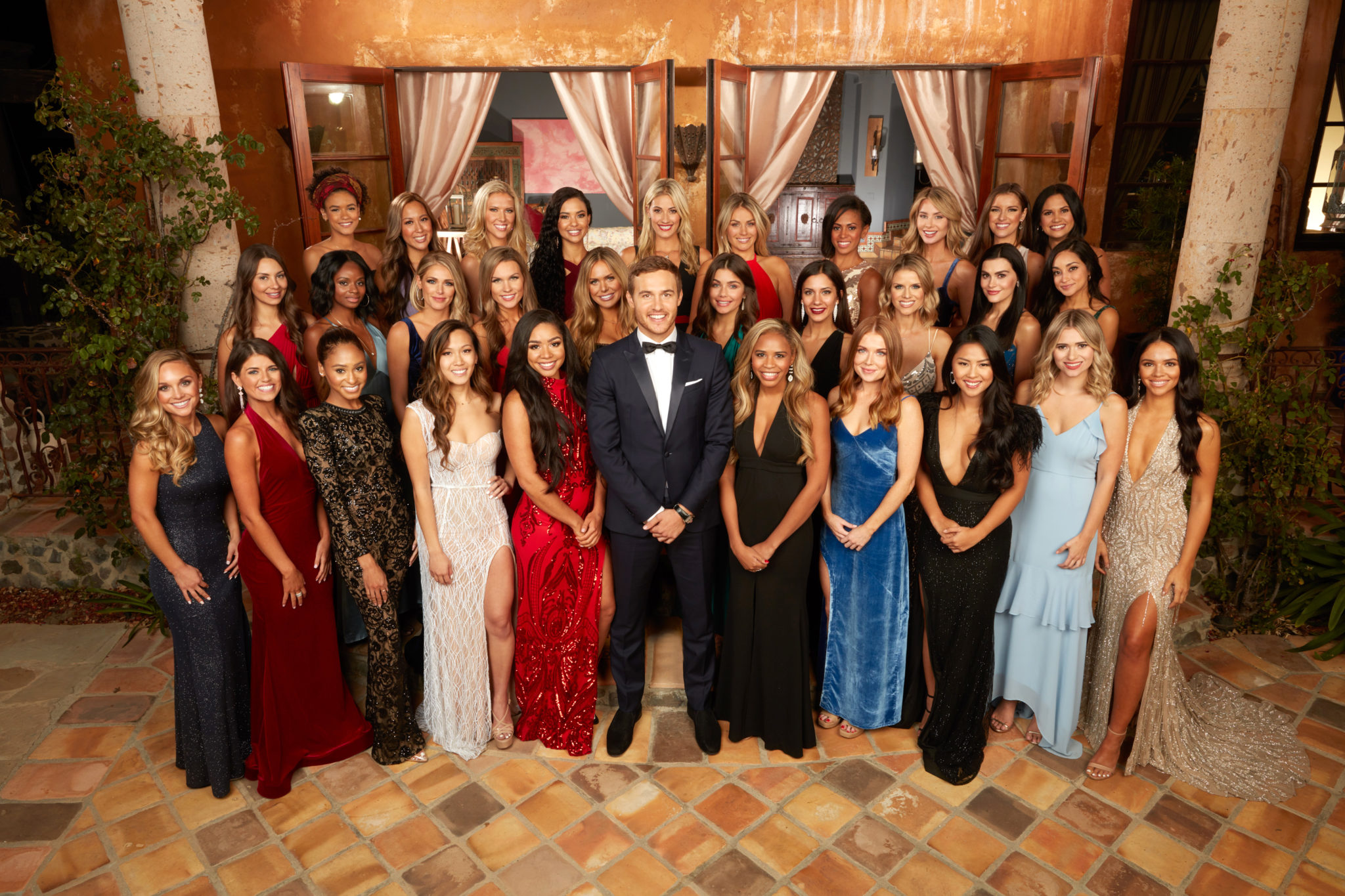
It was 2002. Television was weird then. Before the infinite scroll of TikTok or the polished artifice of modern "clout-chasing" influencers, a single guy in a suit stood in front of a Malibu mansion and changed the DNA of reality TV forever. Honestly, looking back at The Bachelor Season 1, it feels like a fever dream. The lighting was grainy. The dresses were very "early 2000s prom." There were no established rules.
People forget that when the show premiered on ABC on March 25, 2002, nobody knew if it would actually work. The concept felt risky—maybe even a little scandalous for the time. One man, twenty-five women, and a series of rose ceremonies that felt more like a high-stakes boardroom meeting than a romantic getaway.
Alex Michel was the pioneer. He was a Harvard-educated management consultant. He had the resume. He had the jawline. But more importantly, he had the weight of an entire genre on his shoulders. If Alex didn't seem like he was genuinely looking for love, the show would have died right there in the first six episodes.
The Raw Reality of Alex Michel’s Journey
There is a huge difference between the polished "Bachelor Nation" we see today and the raw, almost awkward energy of The Bachelor Season 1. Back then, the contestants weren't there to launch a podcast. They weren't looking for a Vitamin Shoppe sponsorship. Social media didn't exist. They were just there.
The pacing was fast. The first season was only six episodes long! Imagine that. Today, we get weeks of "to be continued" cliffhangers and specialized "Women Tell All" specials that last two hours. In 2002, things moved at breakneck speed.
Alex Michel had to navigate a minefield of personalities without a roadmap. You had Amanda Marsh, the sweet-natured favorite, and Trista Rehn, the vibrant physical therapist who would eventually become the first-ever Bachelorette. The tension wasn't manufactured by complex editing tricks—it was fueled by the sheer novelty of the situation.
I think the most striking thing about re-watching the first season is the lack of "villain" edits. Sure, there was drama, but it felt human. It felt like people actually trying to figure out if they could marry a stranger in six weeks.
Why the First Rose Ceremony Felt Different
In modern seasons, the first night is a circus. People arrive in literal helicopter or dressed as sloths. In The Bachelor Season 1, the arrivals were... normal. People got out of limos, said hello, and tried not to stumble over their words.
The stakes felt heavier because the format hadn't been "solved" yet. There was no strategy. Alex wasn't looking for someone who could handle the "limelight" because there was no limelight yet. He was just a guy trying to pick a partner while Chris Harrison—who looked incredibly young, by the way—guided him through the process.
The Ending That Shocked the Audience
Let's talk about the finale. This is where the show really cemented its place in pop culture history. It came down to Amanda Marsh and Trista Rehn.
Most people watching were rooting for Trista. She was charismatic and seemed like the perfect match for the "Harvard guy." But Alex followed his heart, or maybe his gut, and chose Amanda.
But here’s the kicker: He didn’t propose.
In the world of 2026 reality TV, a finale without a ring feels like a failure. In 2002, it felt honest. Alex told Amanda he wasn't ready to get engaged but wanted to keep dating. They stayed together for several months after the show aired before eventually splitting up.
- The Winner: Amanda Marsh
- The Runner-Up: Trista Rehn (who changed TV history later)
- The Outcome: Relationship lasted nearly a year, but no marriage.
This outcome actually gave the show more credibility. It proved that this wasn't just a scripted fairy tale. It was a messy, complicated experiment.
The Trista Factor: How Season 1 Created a Franchise
If The Bachelor Season 1 had ended with a happy marriage and a quiet life for everyone involved, it might have been a one-hit wonder. But Trista Rehn’s heartbreak was the catalyst for the entire "Bachelor Nation" ecosystem.
Fans loved Trista. They were devastated when Alex didn't pick her. ABC saw the engagement and the ratings—which were massive, by the way—and realized they had a goldmine. They didn't just need a second season of The Bachelor; they needed a female perspective.
The birth of The Bachelorette happened because Season 1 was so effective at making the audience care about the "loser." Trista went on to marry Ryan Sutter, and they are still together today. That success story essentially validated the entire franchise for the next two decades.
Technical Glitches and Production Quirks
If you watch clips of the first season now, the production value is jarring. The cameras are shaky. The sound quality is hit-or-miss.
The producers were basically building the plane while flying it. They had to figure out how to film group dates without it looking like a chaotic field trip. They had to learn how to light the rose ceremony so it looked romantic rather than like a police lineup.
Interestingly, the "Fantasy Suite" concept was there from the beginning, but it was handled with a lot more mystery and "hush-hush" energy than it is now.
The Cultural Impact Nobody Saw Coming
Critics at the time were brutal. They called it the "end of Western civilization." They said it was a meat market.
What they missed was the psychological hook. Humans are hardwired to watch other humans navigate social hierarchies and romantic rejection. The Bachelor Season 1 tapped into a primal curiosity.
It also set the stage for the "celebrity-adjacence" culture. Alex Michel didn't go back to a normal life immediately. He became a household name. He appeared on magazine covers. He was the first "Reality TV Star" who wasn't just a survivor on a desert island or a roommate in a Real World house—he was a romantic lead.
Where is Alex Michel Now?
Unlike many modern contestants who stay in the spotlight for years, Alex Michel chose a different path. He essentially vanished from the public eye.
He didn't do the reality TV circuit. He didn't go on Bachelor in Paradise (because it didn't exist). He went back to the business world.
Reports suggest he worked for major firms like Boston Consulting Group and later in executive roles at media companies. He lives a private life. In a way, he is the most successful Bachelor because he managed to escape the gravity of the show after it served its purpose.
Lessons from the Original Bachelor
We can learn a lot by looking back at that first run. First, authenticity is a diminishing return in reality TV. The more people know how the show works, the less "real" it becomes.
Second, the "lead" doesn't have to be perfect. Alex was often criticized for being too analytical or "boring," but his earnestness is what made the show believable.
Third, the format is king. The rose ceremony is one of the most effective tension-building devices ever created for television. The simple act of saying a name and waiting for a response creates a rhythmic drama that hasn't needed to change in twenty-four years.
Actionable Takeaways for Fans and Historians
If you are a fan of the franchise or a student of media, here is how you should approach the legacy of the first season:
- Watch the Pilot: Compare the "limo arrivals" to the current season. You’ll notice how much the "performance" aspect has increased over time.
- Respect the "Failure": Don't judge the season because Alex and Amanda didn't get married. View it as a successful television experiment that proved romance could be gamified.
- Acknowledge Trista's Role: Realize that the franchise's longevity is 50% due to the format and 50% due to the audience's reaction to Trista Rehn's journey in Season 1.
- Analyze the Editing: Look at how the music cues and "confessionals" were used in 2002. They were much more subtle than the heavy-handed editing used in 2026.
The Bachelor Season 1 wasn't just a show. It was a cultural pivot point. It turned the search for a soulmate into a spectator sport, and whether you love it or hate it, we've been watching ever since.
To understand where the show is going, you have to look at the grainy, 4:3 aspect ratio footage of a consultant from Harvard standing in the California sun, holding a single red rose, and wondering if any of this was actually a good idea.
The answer, at least for the television industry, was a resounding yes.