If you close your eyes and think about the smell of a fresh peach or the way a dusty attic feels on a rainy afternoon, you’re probably tapping into a core memory triggered by a seven-foot-tall orange puppet. Jim Henson’s Bear in the Big Blue House wasn't just another show in the 90s preschool lineup. It was a vibe. A mood. A literal sanctuary for kids who needed to feel seen, heard, and—most importantly—smelled.
Let’s be real for a second. Most kids' shows are loud. They scream for attention with jagged cuts and neon colors. But Bear? Bear was slow. He was soulful. He spent the first minute of every episode literally sniffing the viewer through the screen. It sounds weird when you describe it to someone who didn't grow up with it, but for those of us who did, it was the warmest welcome on television.
The Puppet Master Behind the Fur
The magic of Bear in the Big Blue House didn't happen by accident. It came from the brain of Mitchell Kriegman and the incredible builders at Jim Henson's Creature Shop. But the soul of the show was Noel MacNeal. He was the man inside the suit.
Think about the physical toll of that role. MacNeal had to operate Bear’s head with one hand held high above his own, while the other arm was tucked away, and his vision was limited to a tiny monitor inside the chest. It’s a masterclass in puppetry. When Bear tilted his head to listen to Ojo or Tutter, it didn't feel like a foam-and-fleece construct. It felt like a multi-generational caregiver.
The supporting cast was equally brilliant. You had Tutter, the high-strung blue mouse voiced by Peter Linz, who represented every kid’s anxiety about the big world. Then there was Ojo, the imaginative bear cub, and Treelo, the lemur who brought the chaotic energy. They weren't just "characters"; they were archetypes of childhood development.
Why the "Sniff" Worked
Every episode started the same way. Bear would walk toward the camera, stop, and take a deep breath. "Mmm, what is that smell?" he’d ask.
He’d then guess what you smelled like—usually something wholesome like pancakes, library books, or sunshine. This was a genius move in sensory engagement. By invoking the sense of smell, the show bridged the gap between the 2D screen and the 3D world of the child. It made the Big Blue House feel like a real place you were visiting, not just a show you were watching. It grounded the audience in the present moment.
The Architecture of Empathy
The house itself was a character. Designed with vibrant blues and warm yellows, it looked like a home you could actually live in. Unlike the abstract void of Teletubbies or the urban grit of Sesame Street, Bear in the Big Blue House focused on the domestic sphere. It taught kids that the most important things in life happen in the kitchen, the bathroom, and the living room.
Real Talk About Shadow and Luna
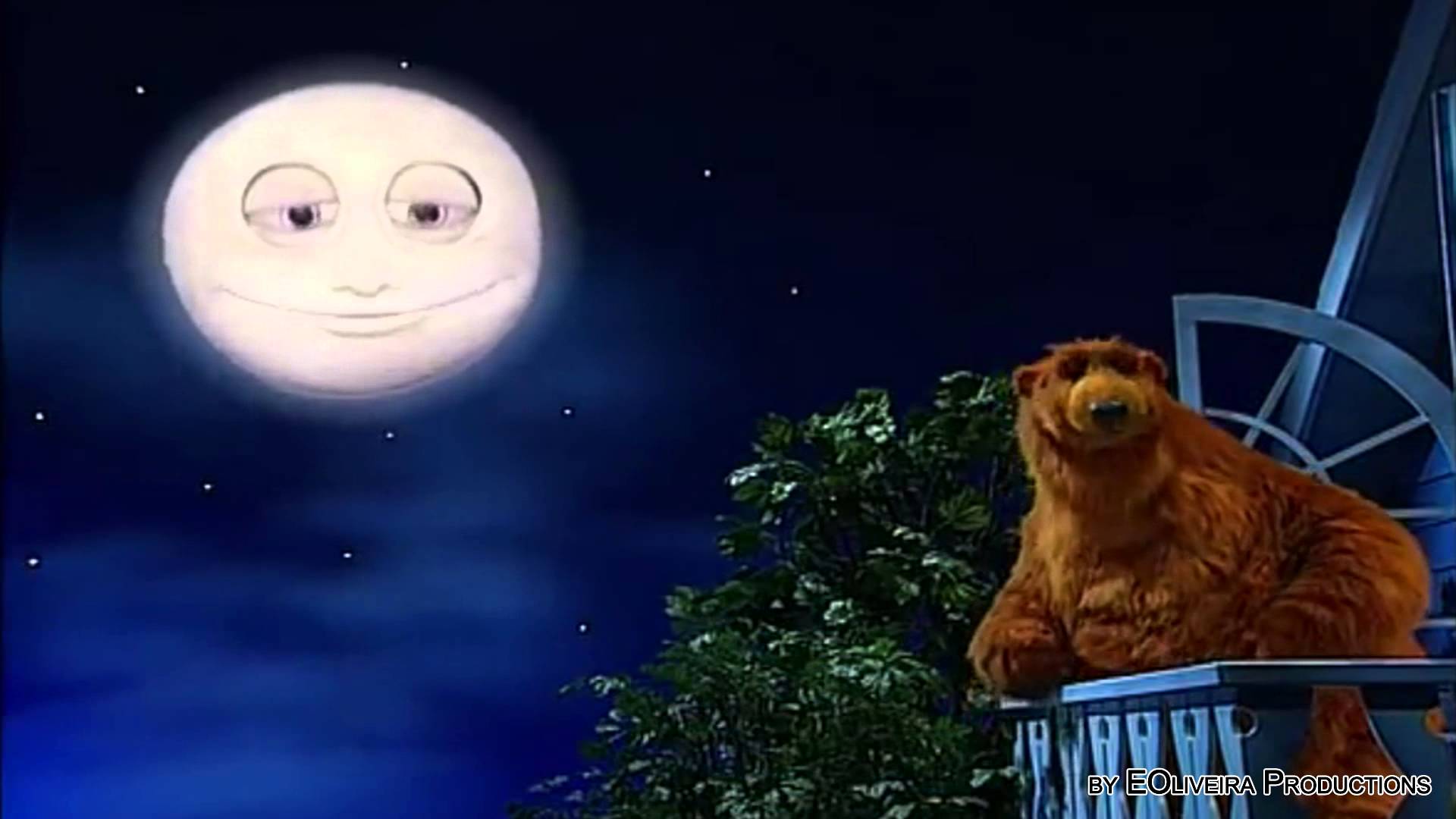
If Bear was the heart of the house, Luna the Moon and Shadow were its spirit.
The end of every episode followed a strict, comforting ritual. Bear would go up to the balcony to talk to Luna. They’d discuss what happened that day—the "The Goodbye Song" is still a certified tear-jerker for anyone over the age of 25.
But then there was Shadow. Honestly, Shadow was kind of the wild card. She’d appear on the walls, tell a story through traditional shadow puppetry, and then vanish. She added a layer of mystery and folk-storytelling that felt older than the show itself. It respected a child's ability to handle something a little bit ethereal and poetic.
The Disney+ Resurgence and Why It Matters
For years, Bear in the Big Blue House was stuck in a sort of digital limbo. Due to complex rights issues between the Jim Henson Company and Disney (who bought the Muppets and Bear in 2004), the show wasn't easily accessible. Fans were stuck watching grainy VHS rips on YouTube.
When it finally dropped on Disney+ in late 2022, the internet basically had a collective emotional breakdown. Why? Because the show deals with emotional intelligence in a way that feels incredibly modern.
- Conflict Resolution: When Tutter gets frustrated because he can't reach a cracker, Bear doesn't just fix it for him. He talks him through the frustration.
- Body Positivity: Bear is a big guy. He’s heavy, he’s fuzzy, and he moves with a certain deliberate weight. He’s comfortable in his skin.
- Grief and Change: Some episodes touched on very heavy themes, like moving away or losing things, handled with a gentleness that never felt condescending.
The Music was Actually Good
Let's not overlook the bops. From "Potty Time" (the gold standard of toddler milestones) to "Clean Up the House," the music was sophisticated. It used jazz, blues, and Broadway influences. It didn't "talk down" to kids with repetitive, shrill melodies. The composers understood that if parents were going to hear these songs 50 times a day, they shouldn't want to tear their hair out.
What People Get Wrong About the Show
A common misconception is that the show was just about teaching basic "preschool skills" like counting or colors. If you actually re-watch it as an adult, you realize it’s a show about mindfulness.
Bear spends a lot of time just... being. He watches the clouds. He listens to the floorboards creak. In an era where children's programming is increasingly fast-paced (looking at you, Cocomelon), Bear’s slow pacing is a radical act. It encourages children to slow down and observe their own internal world.
The Legacy of the Big Blue House
The show ended its original run in the early 2000s, but its DNA is everywhere. You can see its influence in shows like Bluey, which similarly focuses on the emotional dynamics of a family in a domestic space.
But there will never be another Bear. The sheer tactile nature of the puppets—the way you could see the texture of the fur and the way the light hit their glass eyes—creates a sense of "realness" that CGI just can't replicate. It was a peak era for the Henson Company, blending high-tech animatronics with old-school vaudeville heart.
How to Reconnect with the Magic
If you’re a parent now, or just a nostalgic adult looking for a hit of dopamine, there are better ways to engage with the show than just binging it on a loop.
- Focus on the Sensory: Use the "Bear method" with your kids. Ask them what the morning smells like. Is it cold air? Toasty bread? Rain?
- The Luna Check-in: The "Goodbye Song" ritual is actually a great mental health tool. At the end of the day, recap the "lows" and "highs" with someone you love. It provides closure to the day’s anxieties.
- Appreciate the Craft: Watch behind-the-scenes footage of Noel MacNeal and the other puppeteers. It gives you a profound respect for the physical labor that went into making a giant orange bear look like he was floating across a kitchen floor.
Bear in the Big Blue House reminds us that the world is big and sometimes scary, but as long as there’s a place where the tea is warm and someone is glad to see you, you’re going to be okay. It’s the ultimate "comfort food" of television.
To dive deeper into the history of the show, check out the archives at the Museum of the Moving Image or look up Noel MacNeal’s own workshops on puppetry. Understanding the "how" makes the "why" even more impressive. Put on the soundtrack, take a deep breath, and remember—you smell like someone who’s ready to have a great day.
Actionable Next Steps:
- Watch the HD Remasters: Head to Disney+ and specifically look for the later seasons where the production value hit its peak.
- Practice Reflective Listening: The next time a child (or a friend) is upset, channel Bear. Don't jump to a solution; validate the feeling first.
- Support Physical Puppetry: Follow the Jim Henson Foundation to see how modern creators are keeping the "hand-crafted" style of Bear alive in new media.